
I saw a post on Facebook the other day that stopped me mid-scroll. Someone getting married, saying they were at the point where they needed to book a photographer, but they were terrified, because of all the horror stories.
And look, I’m not going to tell you those stories aren’t real. They are. Photographers who go quiet the second the deposit clears. Photographers who turn up two hours late. Photographers who deliver fifteen photos from a full day and call it a wedding album. It happens, and it’s exactly why people go looking for reassurance instead of just booking the first name that comes up on Instagram.
So here’s my attempt at that reassurance on how to choose a wedding photographer from someone who’s been doing this for years, based in Greater Manchester, shooting weddings across Cheshire and Lancashire too. No scare tactics, no “only luxury photographers can be trusted” nonsense. Just the actual, practical stuff I’d tell a mate if they messaged me in a panic.

Ask to see a full gallery, not just the greatest hits
Every photographer’s Instagram is a highlight reel, mine included. Twelve perfect shots from a styled magazine shoot, or the best five minutes of golden hour portraits, tell you nothing about what your actual Tuesday in October wedding at your actual venue is going to look like.
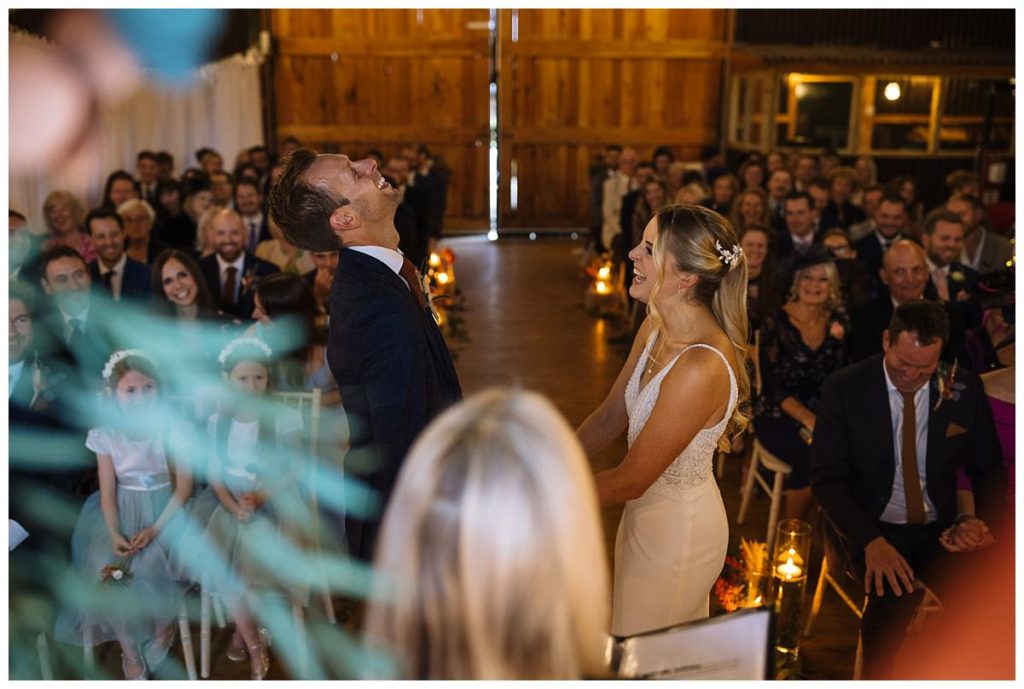
Ask for a full gallery from a real wedding. Start to finish. Getting ready, the awkward bit before the ceremony where everyone’s just stood around, the speeches where someone’s crying, the bit in the church hall that’s lit like a school disco, the last dance when everyone’s had four pints and lost a shoe. That’s the real test. Anyone can nail twenty photos on a sunny day at a beautiful venue. The real skill is consistency across a full day, in whatever light and weather you actually get.
If a photographer can’t or won’t show you that, that’s your answer.
No contract? Walk away
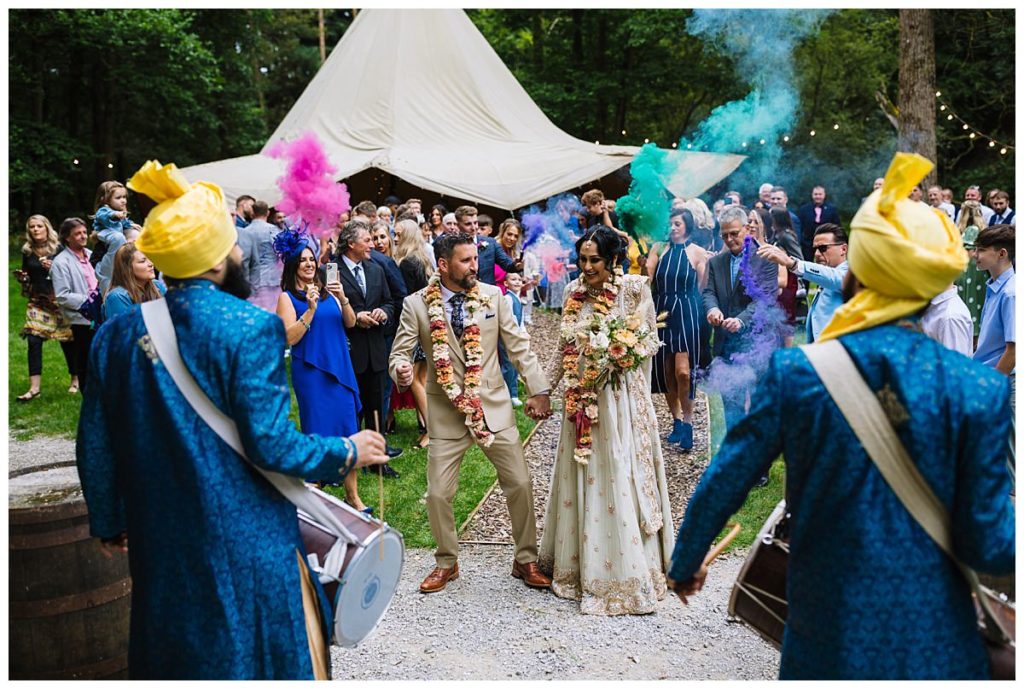
This is the one that actually protects you, and it’s the one people skip because it feels like a formality between two people who’ve already got on well over email. It isn’t just paperwork.
A proper contract should spell out, in writing:
- How many hours you’re covered for, and what happens if the day runs over
- When you’ll get your photos, and roughly how many
- What happens if either of you needs to cancel or postpone
- The payment schedule: deposit, balance, and when each is due
- Who is actually turning up on the day (this matters more than people think, see below)
If someone’s happy to take your money on a handshake and a “trust me,” that’s not confidence, that’s a lack of anything to stand behind if it goes wrong. A contract isn’t there because either of you expects problems. It’s there so neither of you has to worry about them.
Price isn’t the red flag, what’s missing behind it is
I want to be straight about this one, because I think it gets oversimplified a lot. You’ll see plenty of advice online along the lines of “if it’s cheap, run.” I don’t think that’s fair, and I don’t think it’s true.
I’m not a luxury photographer, and I’ve never wanted to be. I built this business to be genuinely good and genuinely reachable, not priced for a market I don’t think I belong in. So I’m never going to tell a couple that a lower price automatically means a worse experience. Plenty of photographers charging serious money aren’t good, and plenty charging sensibly are brilliant.
What actually matters isn’t the number on the invoice. It’s what’s standing behind it:
- Experience: how many weddings have they actually shot, not just how long they’ve owned a camera
- A contract: see above
- Backup gear: if a camera or memory card fails on the day (and gear does fail), do they have a second body, a way to carry on shooting?
- Insurance: public liability cover, so if something goes wrong, you’re not the one left exposed
- A plan if they’re ill: a real one, not just crossed fingers
Ask about those things directly, at whatever price point you’re looking at. A photographer who’s confident in their answers isn’t going to flinch, whether they charge £600 or £3,000. It’s the vague, evasive answers you want to watch for, not the number itself.

Ask about second shooters and backup plans
Some photographers work solo every time, some always bring a second shooter, and some, like me, bring one in for bigger days where there’s a lot of ground to cover, but shoot solo for smaller, more intimate weddings. None of these approaches is automatically “better.” What matters is that they can tell you clearly which one applies to your day, and why.
The same goes for backup equipment and insurance. I carry both as standard, not because I expect anything to go wrong, but because “it’ll probably be fine” isn’t a plan. Ask any photographer you’re considering what happens if their camera fails mid ceremony, or if they’re struck down by a stomach bug the morning of your wedding. A confident, specific answer tells you a lot more than any portfolio will.
Notice whether they’re asking you questions
This is the bit people don’t think to check, and it’s one of the most telling. A good photographer should be curious about your day: your venue, your timeline, who’s walking who down the aisle, whether Grandad needs extra time getting from the car to his seat, whether there’s a family dynamic worth knowing about before the group photos start.
If all they want to talk about is packages and camera gear, and they’ve asked nothing about you, that tells you exactly where their head’s at. Zero curiosity from a photographer almost always means zero connection in the photos.
Meet them before you book, an engagement shoot is a great shortcut
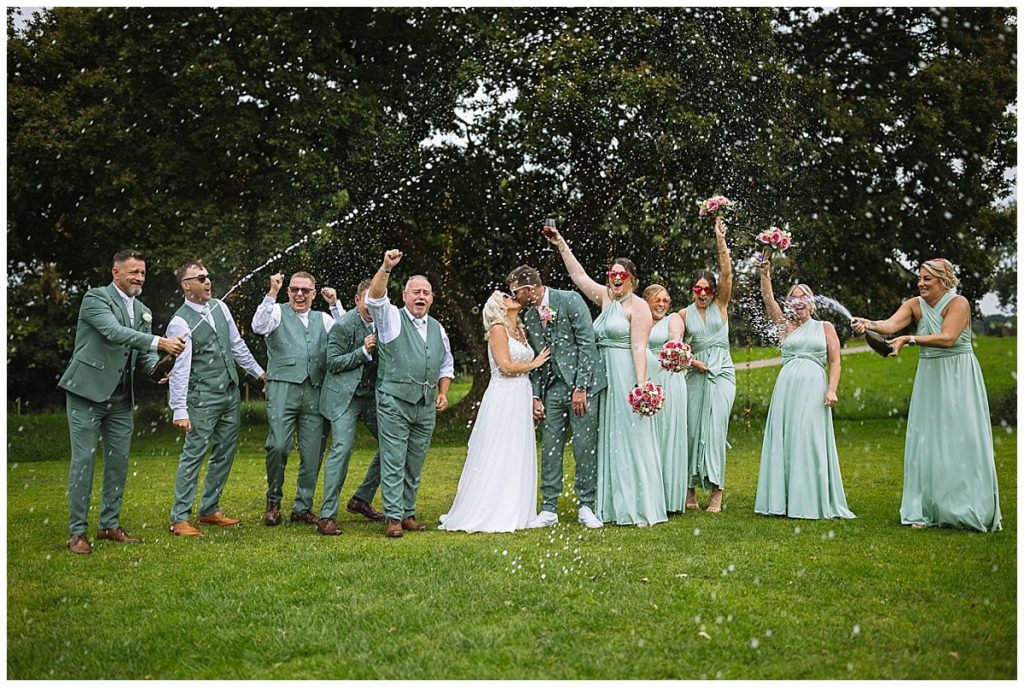
A call or video chat is the minimum. But if you want to properly test the water, an engagement shoot is one of the best ways to do it, which is exactly why I offer them. You get a feel for how someone directs you (or, ideally, doesn’t direct you too much), how relaxed they make you feel in front of a camera, and whether you’d genuinely enjoy having them around for ten hours on your actual wedding day.
You’re not just hiring a skill set. You’re inviting someone into one of the most personal days of your life. You should like them. Simple as that.
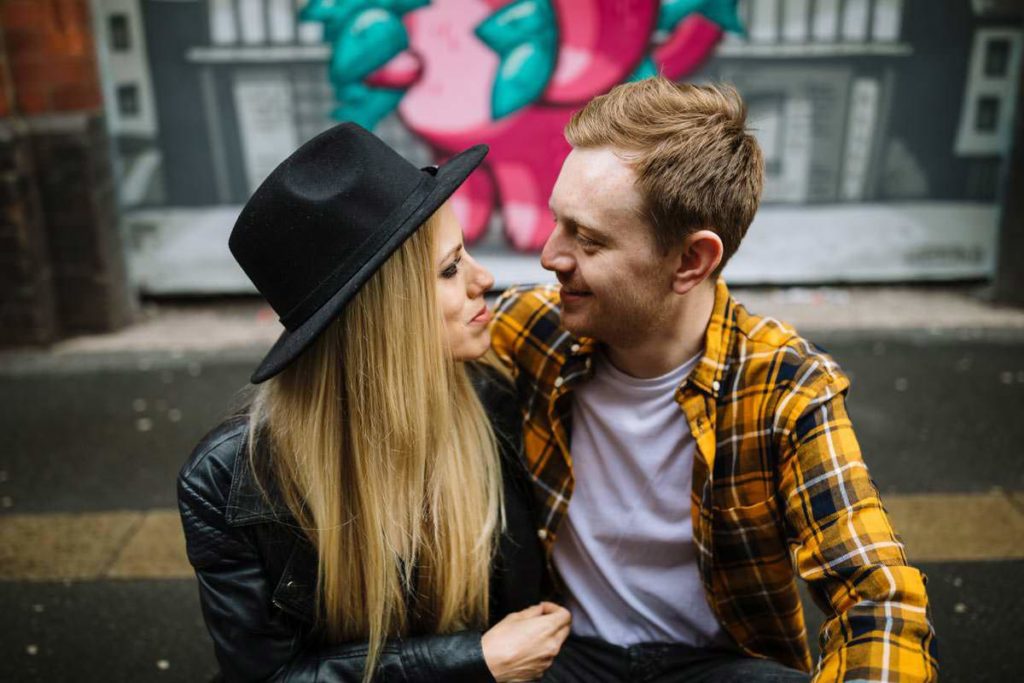
Ignore anyone who tries to steer your day away from what you want
This is the bit I care about more than almost anything else. Your photographer should be there to capture your day, not quietly steer it into the wedding they’d have chosen. If a two hour portrait session away from your guests sounds like your idea of hell, say so, and if a photographer pushes back hard on that instead of working with you, that’s worth noticing.
Your day, your way. Family groups, the shape of your timeline, how long you’re willing to disappear for photos, that’s your call, not a formula the photographer’s applying because it’s how they’ve always done it. Anyone worth booking will get behind that completely, not fight you on it.
Trust your gut on how they communicate
Not because a slow reply is automatically a red flag, weddings are busy, good photographers get booked out, I get it. But how someone communicates before you’ve booked them is usually how they’ll communicate after. Vague answers, chasing them for basic information, feeling like you’re being sold to rather than spoken with, none of that tends to improve once the deposit’s paid.
If you take one thing from all this: the horror stories you’ve seen online are the exception, not the rule, and almost every single one of them could have been avoided with a proper contract, a proper conversation, and a photographer who was straight with you from the first email. That’s genuinely most of it.
If you’re getting married anywhere around Greater Manchester, Cheshire or Lancashire and want to run any of this past someone who isn’t trying to sell you anything, drop me a message. Even if it’s just “does pineapple belong on pizza” as an opener, I’ll take that as a very good sign.
FAQs
How far in advance should I book a wedding photographer in Manchester, Cheshire or Lancashire? As soon as you’ve got a date and venue confirmed, ideally. Good photographers across the North West get booked up a year or more ahead for popular dates (weekends between May and September especially), so it’s one of the earlier bookings worth making, not one to leave until the rest of the day is sorted.
How much does a wedding photographer cost in the North West? It varies hugely, anywhere from a few hundred pounds to several thousand, depending on experience, hours of coverage, and what’s included (albums, second shooters, engagement shoots). Price on its own isn’t a reliable guide to quality. What’s behind the price, experience, a proper contract, insurance, backup gear, matters far more than the number itself.
What questions should I ask a wedding photographer before booking? Ask to see a full gallery from a real wedding, not just a highlights reel. Ask what happens if they’re ill or their equipment fails. Ask whether they work solo or bring a second shooter, and why. Ask what’s actually in the contract before you sign anything. And pay attention to whether they’re asking questions back about your day.
Do I need a contract with my wedding photographer? Yes, always. A proper contract protects both of you: it should cover hours of coverage, payment schedule, delivery timeline, and what happens if either side needs to cancel or postpone. If a photographer is happy to work without one, that’s a genuine red flag, regardless of how nice they seem over email.
Should my wedding photographer have insurance and backup equipment? Ideally, yes. Public liability insurance protects you as much as them, and backup gear (a second camera body, spare cards) means a single equipment failure doesn’t put your entire day’s photos at risk. It’s a fair, ordinary question to ask, and any experienced photographer should answer it confidently and specifically.
Is a cheaper wedding photographer automatically worse? No, and I’d say that as someone who’s built a business on being affordable rather than “luxury.” A lower price doesn’t mean lower quality, and a high price doesn’t guarantee it either. What matters is experience, a proper contract, insurance, and a backup plan. Ask about those directly, whatever the price point.
